This website uses cookies
We use cookies to ensure that we give you the best experience on our website. If you continue to use this site we will assume that you are happy with it.


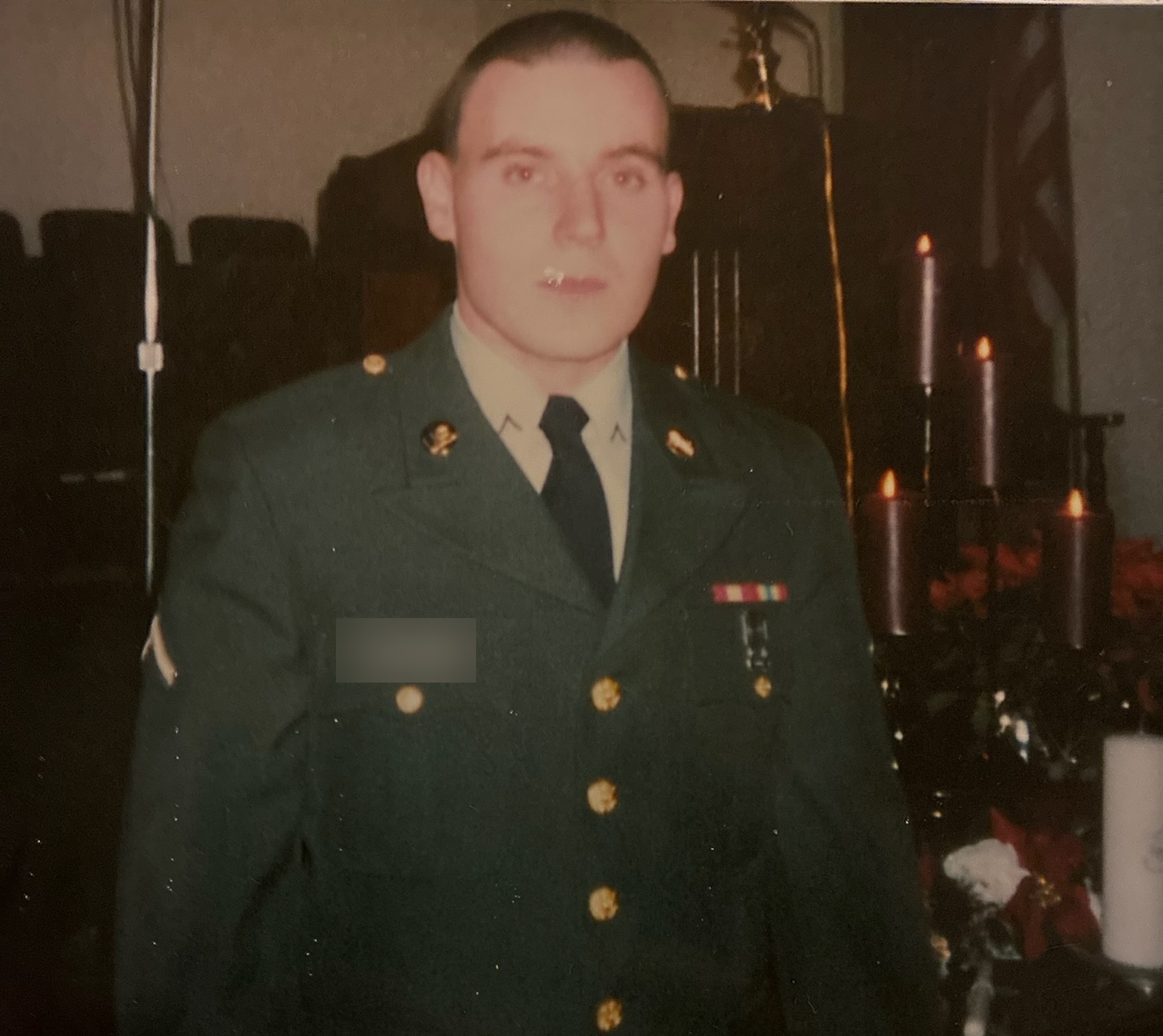
In the spring of 2003, he rode in the lead armored vehicle of the “Thunder Run,” the assault that carried American forces into Baghdad. That Bradley Fighting Vehicle now stands in the National Museum of the United States Army. Yet for more than two decades, the nation he served shut him out of the care his combat service had earned. This fall, the Veterans Law Practicum at Cornell Law School secured a favorable decision from the U.S. Department of Veterans Affairs finding his service “under conditions other than dishonorable,” restoring his eligibility for VA benefits for the first time in his life.
The veteran enlisted in the U.S. Army in 2002, seeking structure and purpose after a childhood marked by instability and abuse. He trained as a 19D Cavalry Scout and, within weeks of reporting to his squadron, he deployed in support of Operation Iraqi Freedom.
In March and April 2003, his Bradley led what has been called the longest cavalry charge in history, from Kuwait to the edge of Baghdad. When the column reached choke points, blind spots, and bridges, he dismounted and walked ahead to check for ambushes and explosives, protecting the advance behind him. He endured sustained fire in a sector soldiers called “Machine Gun Alley,” mortar and rocket attacks near where he slept, and scenes of death and civilian suffering that never left him. For his service he received the Presidential Unit Citation, the Global War on Terrorism Expeditionary Medal, the Global War on Terrorism Service Medal, and the Army Service Ribbon. His leaders pointed new soldiers to him as an example of what a scout should be.
When he returned home in August 2003, his post-deployment health screening recorded hallmark symptoms of post-traumatic stress: he was constantly on guard, easily startled, and felt numb and detached. The reviewing provider marked “no referral indicated.” No one treated him. Within months, struggling with untreated PTSD, depression, and paranoia, he turned to drugs to cope. In 2004, after a brief period of substance-related misconduct, he was separated with an Other Than Honorable discharge.
That discharge followed him for more than twenty years. Barred from VA care, he endured repeated cycles of homelessness, poverty, and addiction. He was not formally diagnosed with PTSD until years after leaving the Army. Through it all, he kept fighting: he completed a rehabilitation program, has remained sober for six years, works steadily as an aerospace painter, and cares for elderly family members. A fellow scout from his platoon, who received a similar discharge after the same deployment, had long since won his own upgrade and VA recognition. The veteran had never had that chance.
Students in the Veterans Law Practicum built a detailed petition asking the VA to find his service honorable for VA purposes. Drawing on his service and medical records, the Army’s own account of the Thunder Run, and sworn statements from his sister and a fellow combat veteran, the students showed that his misconduct was a direct consequence of combat trauma that the military identified and failed to treat. They relied on VA’s 2024 amendments to its character of discharge regulation, which require adjudicators to weigh “compelling circumstances” such as mental health conditions and combat-related hardship.
The VA agreed. In its decision, the agency found that compelling circumstances mitigated the misconduct, that his service before it had been “honest, faithful, and meritorious and of benefit to the Nation,” and that the regulatory bar to benefits does not apply. As a result, the veteran now has access to VA health care for the first time in his life, will receive ongoing monthly VA disability compensation, and is entitled to retroactive payments for his service-connected PTSD.
“This veteran led the way into Baghdad, but when he came home carrying the invisible wounds of that mission, the system that should have treated him cast him out instead,” said clinic student Estefania Solis ’27. “This decision cannot give him back those twenty years, but it finally recognizes the truth about his service and gives him the care he should have had all along.”
The outcome underscores a broader injustice. Thousands of veterans of the Iraq and Afghanistan wars were separated with less-than-honorable discharges for conduct driven by service-connected conditions that went unrecognized at the time. Many have never learned that a path to relief exists.
“Too many veterans believe the door to VA care closed forever the day they received a bad-paper discharge, and this case shows that it can be reopened,” said former clinic student Alex Jastremski ’26. “We hope every veteran living with an Other Than Honorable discharge hears this news and knows that help may still be within reach.”
About the Veterans Law Practicum at Cornell Law School
The Veterans Law Practicum at Cornell Law School gives law students hands-on experience representing veterans before the U.S. Department of Veterans Affairs and the military review boards. Under the supervision of Director James R. Hardwick, students handle character of discharge determinations, discharge upgrades, and disability compensation claims, providing free legal representation to veterans who might otherwise go without counsel. Through its casework, the practicum works to ensure that veterans, particularly those whose service-connected conditions went unrecognized, receive the benefits and dignity they have earned. For more information, contact the Practicum at 133 Hughes Hall, Ithaca, New York 14853, (607) 254-1272.