This website uses cookies
We use cookies to ensure that we give you the best experience on our website. If you continue to use this site we will assume that you are happy with it.




On September 24, retired judge Ellen Yacknin ’77 returned to Cornell Law School to recount the nearly thirty-year civil rights battle that followed the 1971 Attica prison uprising in western New York—a case she helped keep alive and later litigated.
Hosted by the Public Interest Law Union and Cornell’s National Lawyers Guild chapter in Myron Taylor Hall, her presentation examined the persistence and creativity required to pursue compensation for prisoners injured or killed during the state’s retaking of the prison and its aftermath.
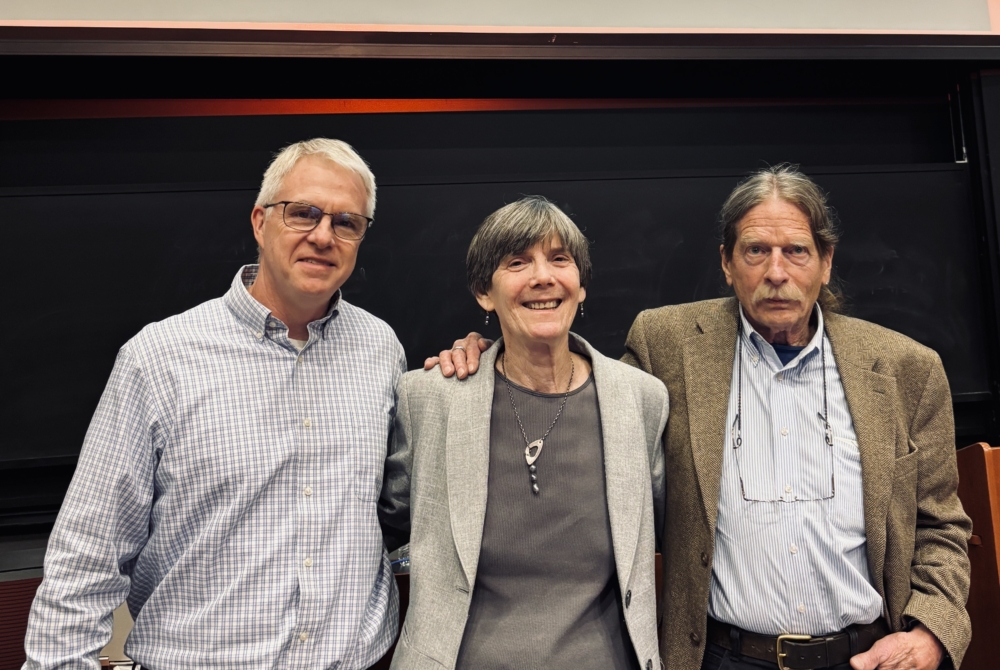
(L to R) Professor Keir Weyble, Clinical Professor of Law and Director of Death Penalty Litigation, retired judge Ellen Yacknin ’77 and Joseph Heath, Adjunct Professor of Law.
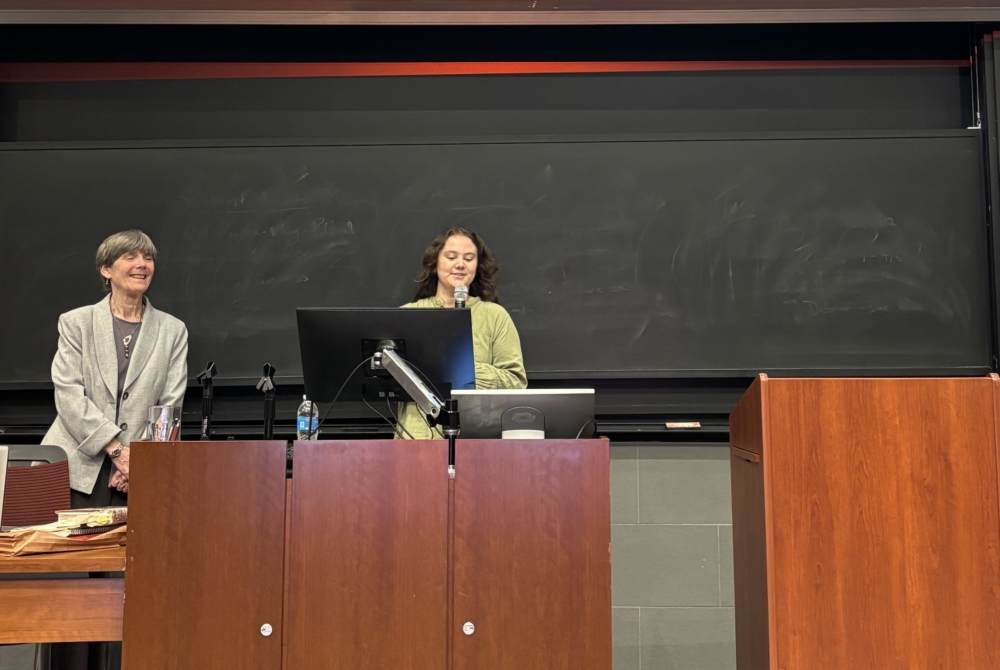
Yacknin described the deplorable conditions that sparked the uprising and the shootings, beatings, and denial of medical care that became the basis of a federal class action.
While working as a federal law clerk, she discovered that the case faced dismissal and contacted attorneys to find representation for the plaintiffs. Attorney Elizabeth Fink ultimately agreed to take it on. Yacknin later joined the legal team as it navigated prolonged delays, discovery disputes, trials, and appeals.
The case settled in 2000 for $12 million, including $8 million for plaintiffs and $4 million in attorney fees.
Yacknin closed by recalling survivors’ testimony during settlement hearings. For some families, those hearings were the first time they heard their loved ones speak about what they had endured.
A former Rochester City Court judge, Yacknin built a career advocating for people facing poverty, discrimination, and incarceration. She was recognized with a 2025 Cornell Law Alumni Exemplary Public Service Award.